

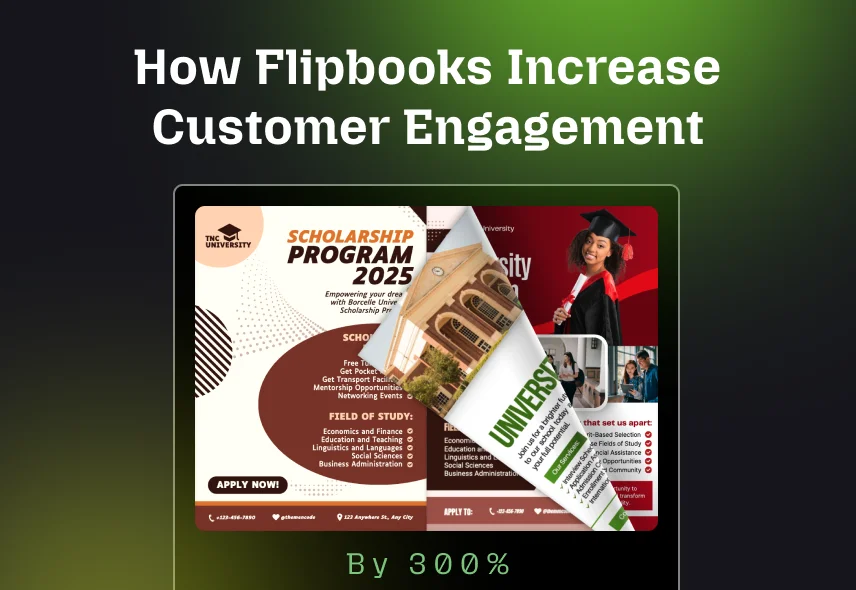
Capturing customer attention is a constant battle. Are you still using static PDFs to showcase your products? If so, you are missing out on a big opportunity to connect with more customers. People want more than just pictures and text. They want to click, watch videos, and uniquely explore products. That’s where flipbooks come in. You can add clickable links that take customers directly to the product page and even give customers the opportunity to make purchases directly from your flipbook. Flipbooks also provide valuable insights into how customers use your catalog.
You can see which pages they look at the most, how long they spend on each page, and which links they click. This data helps you understand what your customers like and what needs improvement. You can create better experiences by making your PDFs more interactive and using these insights. Many brands have reported up to 300% more engagement after switching to flipbooks. Now, let’s find out how it works and why interactive flipbooks are the future of customer engagement.
What Are Interactive Flipbooks?
Interactive flipbooks are digital catalogs designed to engage customers actively. Instead of just flipping pages, customers can:
- Click on links to visit product pages or special offers.
- Watch videos embedded right inside the catalog.
- Zoom in on product images for a closer look.
- Search for products or topics quickly.
- Shop directly by adding items to their cart without leaving the catalog.
Interactive flipbooks combine the best of print and digital, making product discovery fun and easy. It feels more like browsing a website than flipping through a brochure.
How Flipbooks Increase Customer Engagement
Brands that use interactive flipbooks see dramatic improvements in how customers interact with their catalogs. Here’s why:
1. Customers Spend More Time Browsing
Flipbooks can retain customers longer because they have videos, animations, and clickable features. Instead of quickly flipping through pages they watch product demos, click on links, and explore more deeply.
2. Higher Interaction Rates
Clickable buttons and links encourage customers to take action. Whether it’s learning more about a product, signing up for a newsletter, or making a purchase. Flipbooks make it easy and engaging.
3. Better Shopping Experience
Shoppable flipbooks let customers add products to their cart without switching platforms. This reduces friction and speeds up the buying process.
4. Personalized Content
Flipbooks can be customized for different audiences. For example, you can create versions for new customers, returning buyers, or specific regions. It makes the content more relevant.
5. Branding Opportunities
Flipbooks offer extensive customization options. You can fully brand your flipbook with your company logo, colors, and fonts. It creates a professional presentation that highlights your brand identity.
6. Navigation & Search
You will find interactive tables of contents, clickable links, and search functionality that enable users to easily find what they need. No more endless scrolling through long PDF files. This navigation highlights a sense of control and mastery.
7. Actionable Calls to Action
Clickable CTA on your flipbook attracts more attention. Whether it’s “Shop Now”, “Learn More”, “Request a Demo”, or “Contact Us”, Flipbook makes it easy for customers to take the next step. Moving them smoothly through your sales funnel.
8. Real-world simulation
Realistic page-turning animations instantly make digital content more familiar and intuitive. Users understand how to interact with the content. This reduces friction and increases comfort.
300% Increase in Engagement: Real-world Impact
Some studies suggest interactive content sees 52.6% more engagement than static content. Buyers spend an average of 13 minutes viewing interactive content compared to 8.5 minutes on static items. The reported 300% increase in customer engagement for most businesses is real. Customers are spending three times more time with flipbook product catalogs.
Interactive flipbooks make your brand memorable because of dynamic content. Engaged customers act more frequently, which leads directly to sales, sign-ups, and inquiries. This positive experience also builds trust. Ultimately, you get greater ROI from every piece of content you create.
Real-World Examples of Companies Using Flipbooks
Here, the companies I mentioned use digital flipbooks or similar interactive digital publications. Let’s take a look:
Example 1
IKEA: IKEA stopped printing catalogs. Now, you can see their products on their website. You can also use a special feature called “Place in your room.” It lets you see how furniture looks in your home using your phone. This makes shopping easy and fun. You can still find archived digital versions of their old catalogs on the IKEA Museum website. (ikeamuseum.com/en/explore/ikea-catalogue/)
Example 2
Tupperware: Tupperware sells products through direct sales. Their consultants share interactive flipbooks as links. Customers can browse products, see deals, and order easily. While their main website focuses on product categories, they still often have a “Catalog and Monthly Flyer” section ( tupperware.com/pages/catalog-and-brochures) where these digital flipbooks are accessible.
Example 3
Hinode Group: Like other direct selling companies, Hinode has a “Virtual Catalog” section on its international website. (grupohinode.com/en/virtual-catalog) Where users can select their region to view current interactive product catalogs. This directly demonstrates their use of flipbook technology as a central sales tool.
Do you have a Shopify store? If you need a Flipbook app for your Shopify website, you can check here.
Flipbook Engagement Metrics
One of the biggest benefits of using Flipbook is providing detailed insights into Flipbook engagement metrics. Flipbook analytics allow you to deeply understand how your audience interacts with your content. You will have access to customer interaction statistics such as:
- Total Views & Unique Visitors: Understand how many times your flipbook has been opened. More views than visitors can indicate a strong attraction.
- Time Spent Per Page/Flipbook: Discover exactly how much time users dedicate to your content. This metric is important for identifying which sections or products resonate most with your audience.
- (CTRs) on Embedded Elements: Track every click on videos, links, buttons, and other interactive elements. This data reveals what content is most compelling and drives the most action.
- Downloads & Shares: See how often your content is downloaded or shared. This indicates perceived value and potential for broad reach.
- Geolocation Data: Understand where your audience is located. This helps you target future content and marketing efforts for specific goals.
- Lead Capture Form Submissions: If you integrate lead capture forms, you can track submissions directly within Flipbook.
These detailed analytics enable you to make data-driven decisions. You can identify poorly performing sections, optimize your content, and build your marketing strategies based on real user behavior.
Why Static Content Fails to Attract Attention?
Studies consistently show that people only remember a small percentage of what they read in static text. While traditional PDF files are effective, they often have high bounce rates and minimal time spent on content. Users scroll and then disappear. So, connecting with your audience and providing them with information is a challenge. Static content loses attention because it is passive and not personalized.
Static content keeps users for only a short time. It doesn’t encourage them to explore or engage, so they move on fast. According to recent data, 81% of marketers agree that interactive content grabs attention more effectively than static content. Finally, static content can’t personalize the experience. It shows everyone the same thing and misses the opportunity to connect.
Practical Application: Where can Flipbooks be used?
Flipbooks are highly versatile and can be used in many practical ways across different industries and purposes. Here are some common applications where flipbooks shine:
Marketing & Sales
- Product Catalogs: Showcase products with images, descriptions, prices, and clickable links for easy shopping.
- Brochures & Flyers: Create eye-catching promotional materials to highlight services, events, or special offers.
- Sales Presentations: Use multimedia elements like videos and audio to make pitches more engaging.
Education & Training
- Ebooks & Manuals: Publish interactive books and guides with videos and diagrams for better learning.
- Training Materials: Provide step-by-step instructions to help employees or customers learn new skills.
- Classroom Content: Share lessons, notes, and visual aids that keep students interested.
Corporate Communications
- Annual Reports: Present company data with charts, infographics and interactive elements.
- Newsletters: Deliver company updates or industry news in an easy-to-navigate format.
- Proposals: Professionally submit business proposals.
Creative Portfolios & Magazines
- Photography & Art Portfolios: Showcase creative work with customizable layouts, videos, and background music.
- Magazines: Publish digital magazines with rich visuals and interactive features.
Events & Invitations
- Event Programs: Share schedules, speaker bios perfectly.
- Invitations: Send digital invitations with clickable RSVP links.
Real Estate & Travel
- Property Listings: Create brochures with videos and virtual tours to attract buyers.
- Travel Guides: Share itineraries and destination highlights with multimedia content.
DIY & Hobbyist Projects
- Cookbooks: Present recipes with images and videos for easy following.
- Craft Guides: Offer interactive tutorials for hobbies and crafts.
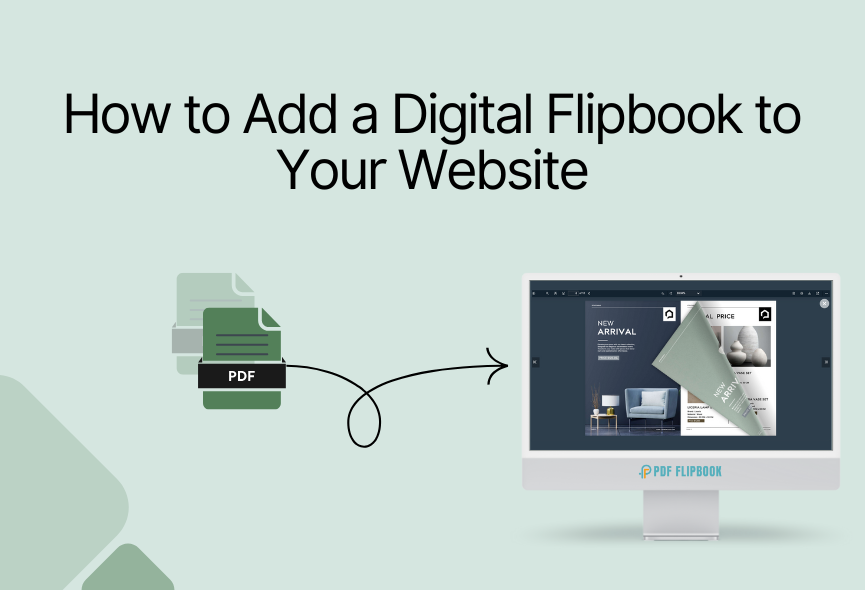
If you want to create an interactive online flipbook for your catalog, brochure, or product display, you can check here. Create your flipbook online, get an embed code, and paste it anywhere on your website to display your flipbook.
Conclusion
Flipbooks are the future of customer engagement. Interactive flipbooks offer an exciting way to engage customers, boost sales, and gather valuable insights. You can increase customer engagement by up to 300%, improve satisfaction, and create unique shopping journeys.
Flipbooks empower you to transform passive readers into active participants. It’s time to move from static to interactive. So, now it is clear how Flipbook increases customer engagement. Now the decision is yours, choose a perfect flipbook maker and create flipbooks to make your business more interactive.




0 Comments